Basket weaving is an age-old craft that combines creativity, skill, and an understanding of materials. Whether you are a novice looking to create your first basket or an experienced artisan seeking to refine your craft, choosing the right basket weaving materials is crucial for the success and durability of your project. In this article, we will explore various materials used in basket weaving, discuss their characteristics, and provide tips on how to select the best options for your specific project. With insights from experts and real-life examples, you’ll be well-equipped to make informed decisions about your basket weaving journey.
Understanding Basket Weaving Materials
The Art of Basket Weaving
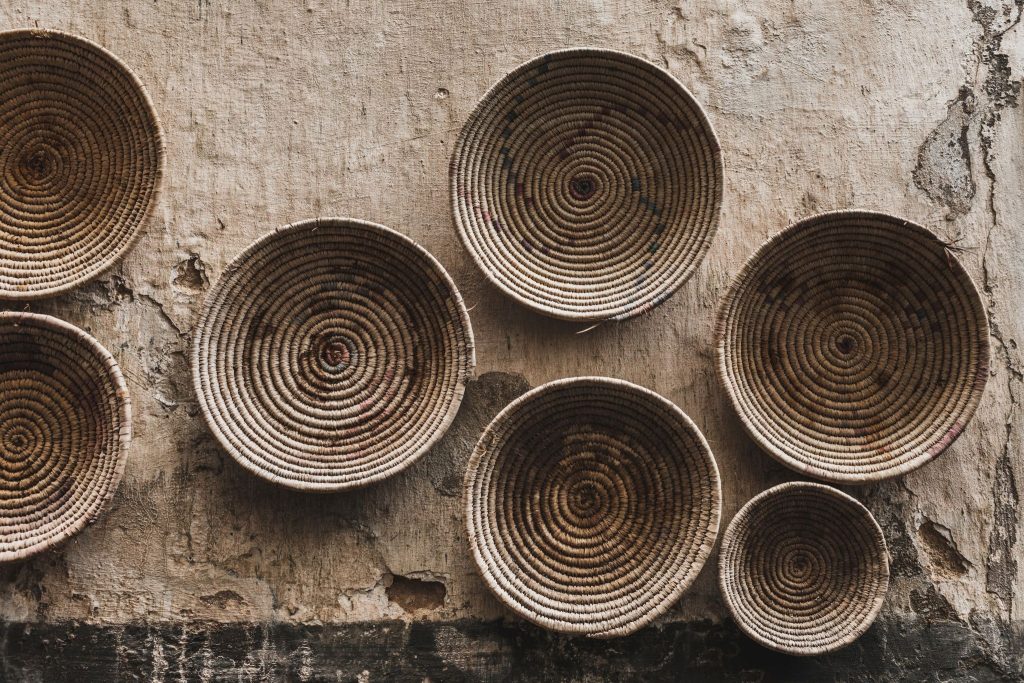
Basket weaving, or basketry, is a traditional craft that has been practiced for centuries across cultures worldwide. It involves interlacing materials to create functional or decorative items. The choice of materials not only affects the basket’s appearance but also its strength, flexibility, and intended use.
Types of Basket Weaving Materials
When it comes to basket weaving, the options for materials are vast. Here are some common categories of materials used in basketry:
- Natural Fibers: These include plant-based materials that can be harvested and processed for weaving. Common examples are willow, reed, pine needles, and grasses.
- Synthetic Fibers: Modern basket makers often use synthetic materials such as nylon or polypropylene, which can be more durable and weather-resistant than their natural counterparts.
- Metal and Wire: Some basket weavers incorporate metal elements to create unique designs, especially in contemporary or functional pieces.
- Fabric and Yarn: Upcycling old fabrics or using yarn can add texture and color, making baskets more personalized and visually appealing.
Choosing the Right Materials for Your Project
Consider the Functionality
Before selecting your materials, consider the intended use of the basket. Will it be functional, decorative, or both? For instance, if you’re making a basket for storage, you’ll want to choose sturdy materials that can hold weight without losing shape. On the other hand, if the basket is purely decorative, you may prioritize aesthetics over durability.
Real-Life Example
Consider a basket designed for holding fruits. Using a natural fiber like willow or reed is ideal because these materials are lightweight yet strong. They also allow for air circulation, which helps keep fruits fresh. Alternatively, if you were creating a decorative basket for a shelf, you might opt for colorful yarn or fabric strips to enhance its visual appeal.
Assess the Aesthetic Appeal
The visual aspect of your basket is equally important. Different materials offer various textures, colors, and patterns. Natural materials often come in earthy tones with unique textures, while synthetic materials can be found in a wide range of colors and finishes.
Expert Insight
Renowned basket weaver Sarah Smith emphasizes the importance of aesthetics in her work. “Choosing materials that resonate with your personal style not only makes the basket more appealing but also adds a layer of personal connection to the piece,” she explains.
Evaluate Durability and Maintenance
Durability is a key factor when choosing materials for basket weaving. Some natural fibers are more susceptible to wear and tear than others. For example, while willow is flexible and easy to work with, it may not be as durable as some synthetic options. Conversely, synthetic fibers can withstand moisture and are less likely to degrade over time.
Maintenance is also an important consideration. Natural materials may require more care to preserve their integrity, while synthetic materials often need little maintenance and are easier to clean.
Consider the Skill Level
Your skill level and experience with basket weaving will influence your choice of materials. Beginners may benefit from starting with more forgiving materials like reed or pine needles, which are easier to manipulate. As you gain experience, you can experiment with more challenging materials like rattan or even metal wire.
Real-Life Example
For beginners, a common choice is to start with pine needles. These materials are not only readily available but also easy to work with. An aspiring basket weaver named Emily shared her experience: “I found that pine needles were forgiving. They held their shape well, and I could practice different techniques without feeling overwhelmed.”
Availability and Cost
The availability of materials can vary significantly based on location and season. Natural fibers may be easier to source in rural areas where these plants grow abundantly. Synthetic materials, on the other hand, are widely available in craft stores.
Cost is another consideration. Natural materials can sometimes be more expensive, especially if they are harvested sustainably. Synthetic materials are often more affordable, making them a popular choice for novice weavers.
Popular Materials for Basket Weaving
Natural Fibers
- Willow: A popular choice for traditional basketry, willow is known for its flexibility and durability. It can be easily shaped and dyed, making it suitable for a variety of projects.
- Reed: Often used for both functional and decorative baskets, reed is lightweight and easy to manipulate. It has a smooth texture and lends itself well to intricate designs.
- Pine Needles: These are particularly favored in Southern U.S. basket weaving. Pine needles are durable and can create beautiful textures when coiled and sewn together.
- Grasses: Materials like rush, seagrass, and cattails are excellent for weaving mats and lightweight baskets. They offer a natural look and are often used in eco-friendly projects.
Synthetic Materials
- Nylon and Polypropylene: These materials are often used for outdoor baskets due to their resistance to moisture and UV rays. They’re perfect for functional baskets that need to withstand the elements.
- Vinyl Coated Wire: This type of material can add structure and strength to a basket while allowing for creative designs. The vinyl coating offers a variety of color options, enhancing the visual appeal.
Unique and Upcycled Materials
- Fabric Strips: Using old fabrics can add a personal touch to your baskets. This method is not only eco-friendly but also allows for the incorporation of patterns and colors that reflect your style.
- Yarn: Knitting or crocheting yarn can create soft, textured baskets. This technique is particularly popular for decorative pieces that are lightweight and colorful.
Techniques for Working with Different Materials
Preparing Natural Fibers
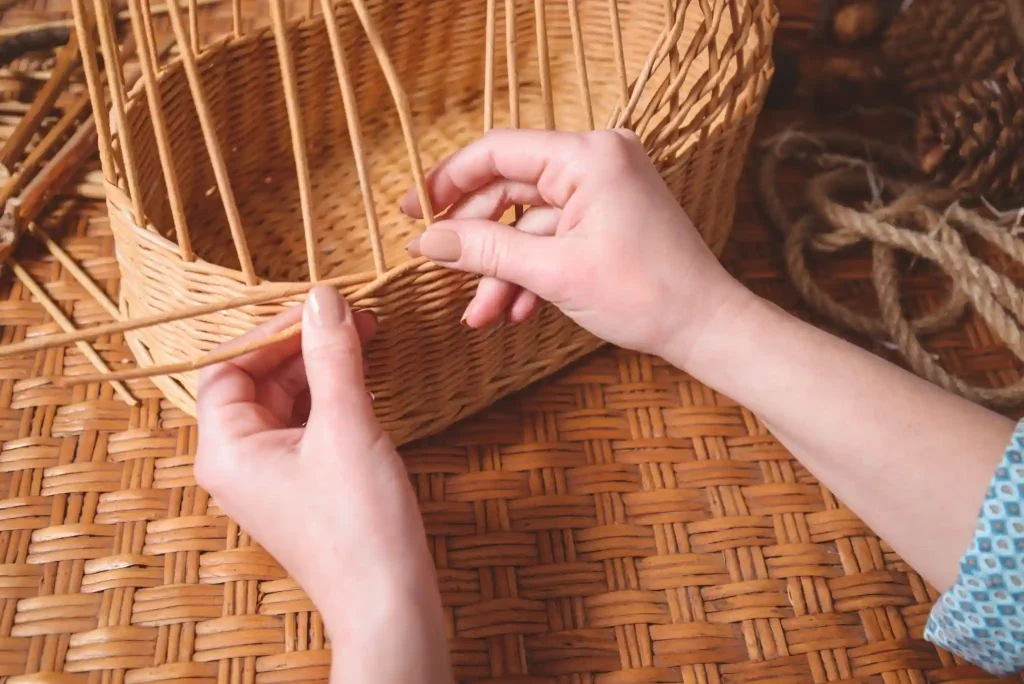
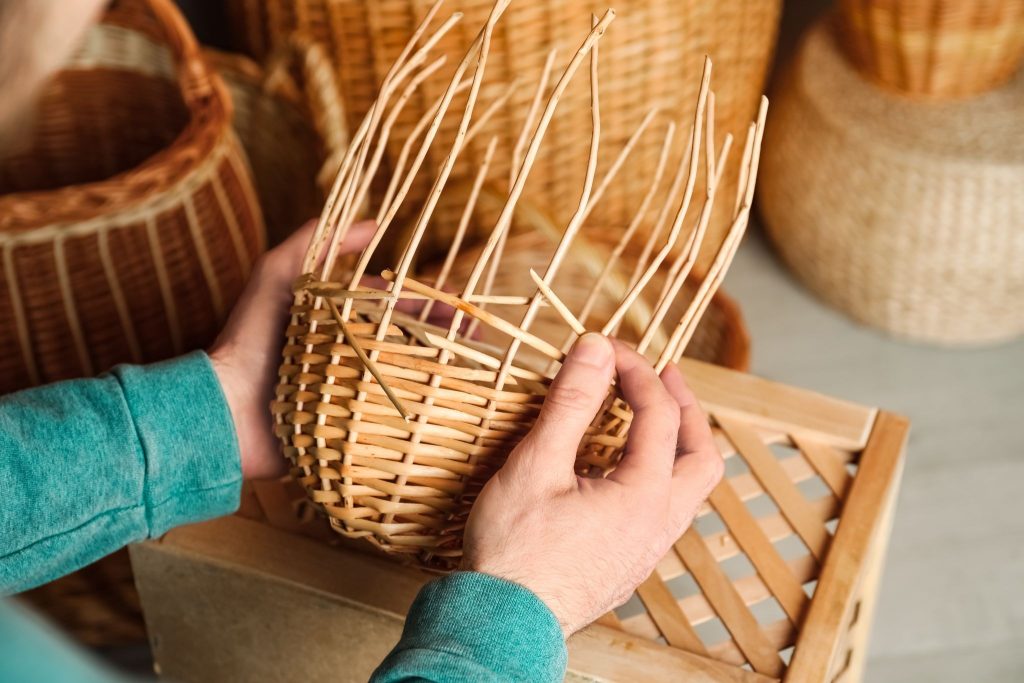
When working with natural fibers, preparation is key. Most materials need to be soaked in water to make them pliable for weaving. This process ensures that the fibers do not crack or break during the weaving process.
For example, soaking willow sticks can make them more flexible, allowing for intricate shapes and designs. The soaking time will vary based on the material; generally, a few hours to overnight is sufficient.
Weaving Techniques
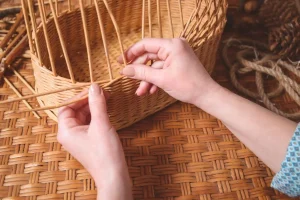
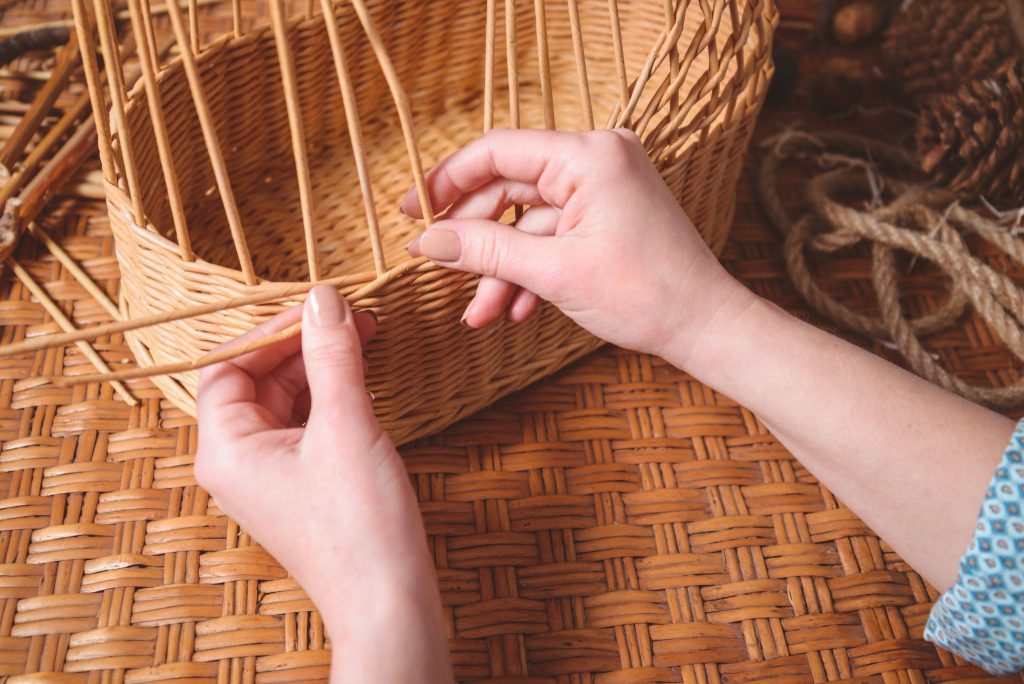
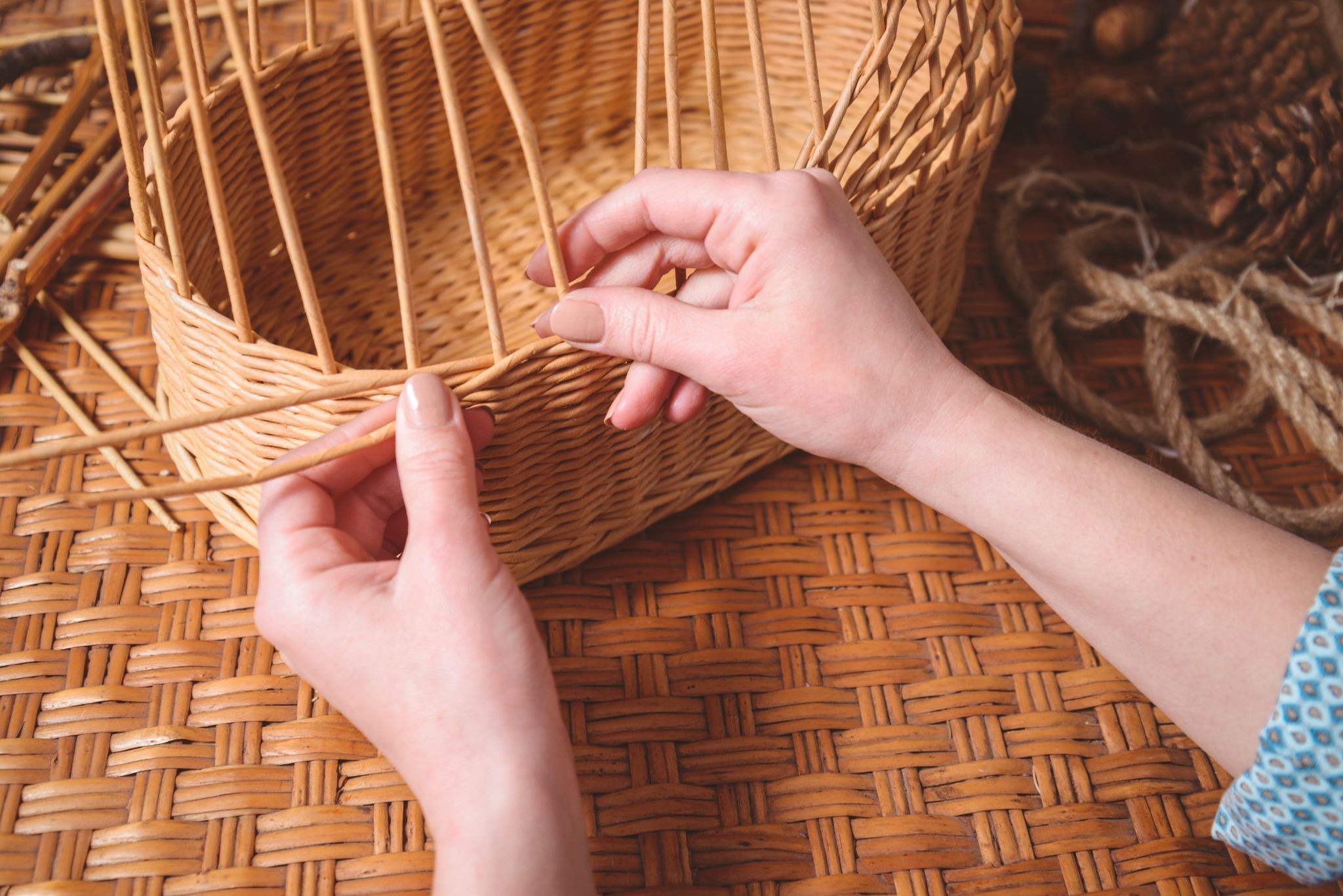
Different materials may require different weaving techniques. For instance, reed is often woven in a simple over-and-under pattern, while pine needles may involve coiling and sewing techniques. As your skills develop, experiment with various weaving styles to see how different materials respond.
Finishing Touches
Once your basket is woven, consider adding finishing touches. This could include trimming excess material, applying a protective finish for natural fibers, or adding embellishments like beads or other decorative elements.
Expert weaver Lisa Johnson advises, “Don’t rush the finishing process. Taking the time to ensure every detail is perfect will enhance the overall quality and beauty of your basket.”
The Importance of Sustainability in Material Selection
Eco-Friendly Practices
As awareness of environmental issues grows, many basket weavers are seeking sustainable materials. Choosing natural, locally sourced fibres can reduce your carbon footprint and support local economies. Additionally, upcycling fabrics and other materials keeps waste out of landfills and promotes eco-friendly practices.
Supporting Local Artisans
When purchasing materials, consider supporting local artisans and suppliers who prioritize sustainable practices. Not only do you contribute to your community’s economy, but you also gain access to high-quality materials that are often harvested with care.
Conclusion
Choosing the best materials for basket weaving projects involves considering functionality, aesthetics, durability, skill level, and sustainability. By understanding the properties of various materials and how to use them, you can create beautiful, functional baskets that reflect your personal style and craftsmanship.
As you embark on your basket-weaving journey, remember that experimentation is part of the process. Don’t hesitate to try new materials and techniques to discover what works best for you. With the right materials and a bit of creativity, your basket-weaving projects can become a rewarding and fulfilling artistic expression.
FAQs
What are the best materials for basket weaving?
The best materials for basket weaving include natural fibres like willow and reed, synthetic fibres such as nylon, and upcycled options like fabric strips.
How do I prepare natural fibres for weaving?
Natural fibres should be soaked in water to make them pliable before weaving. Soaking time varies, but a few hours is generally sufficient.
Can I use recycled materials for basket weaving?
Yes, recycled materials like old fabrics and yarn can be used for basket weaving, adding a personal touch and promoting eco-friendly practices.