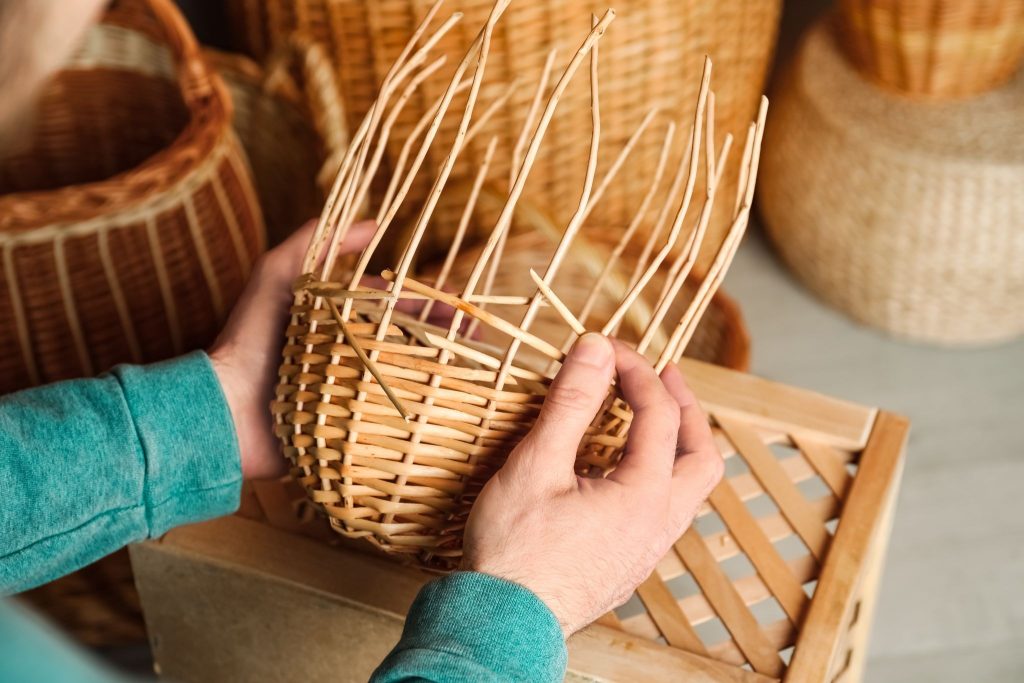
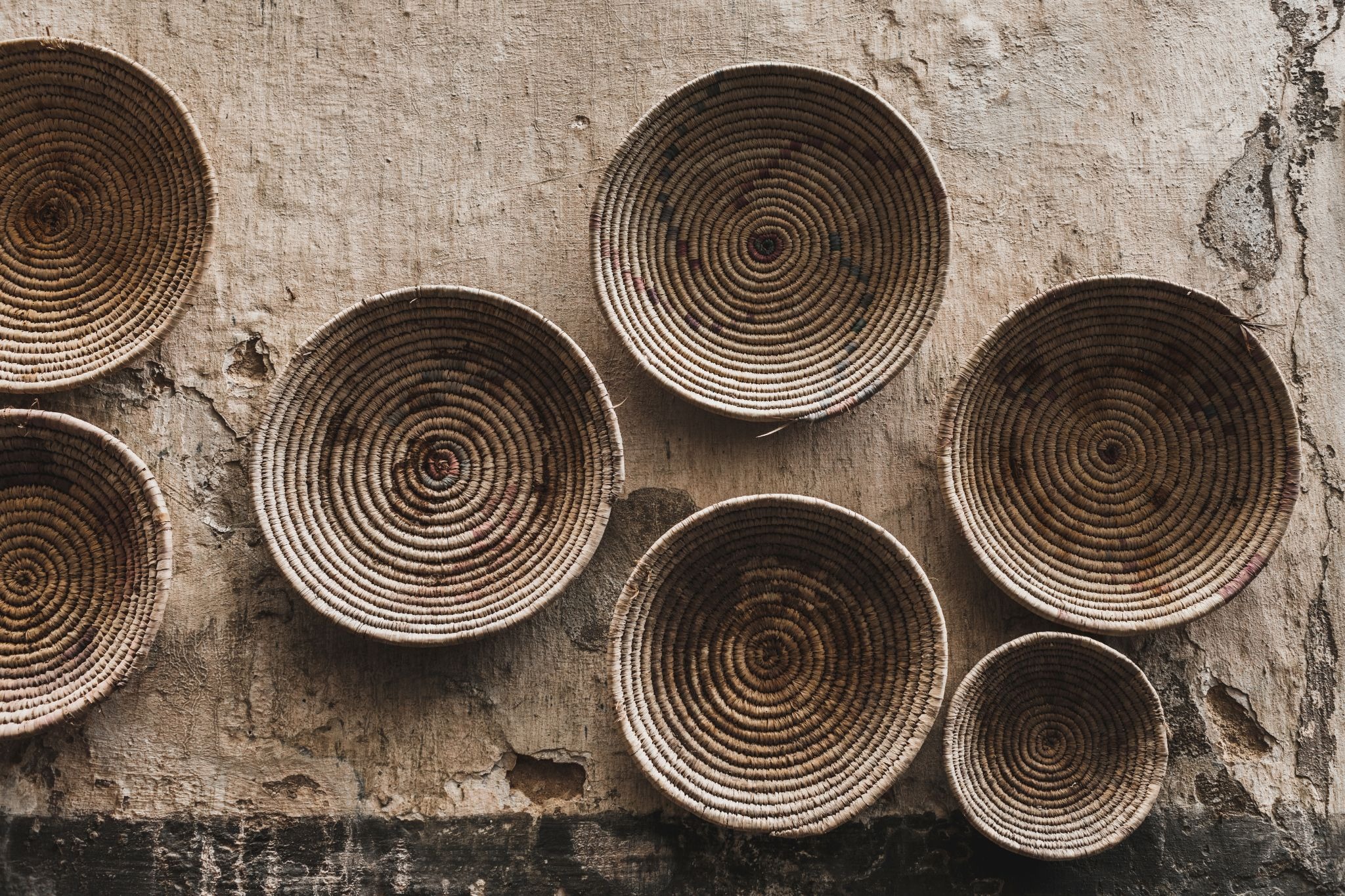
Basket weaving is a timeless craft that has been practised across cultures and generations, blending creativity with functionality. This ancient practice serves as both an artistic expression and a practical skill, showcasing the intricate balance between beauty and utility. In this article, we will explore why basket weaving is considered both an art and a practical skill, delving into its historical significance, cultural relevance, and the skills involved in the craft. Through real-life examples, expert insights, and research-backed data, we will illuminate the profound impact basket weaving has on individuals and communities alike.
The Historical Significance of Basket Weaving
A Craft Rooted in Tradition
Basket weaving dates back thousands of years, with evidence found in archaeological sites across the globe. Early humans utilized available materials such as grasses, reeds, and vines to create functional items for daily life. Baskets were essential for carrying goods, storing food, and even fishing. Each culture developed its unique techniques and styles based on local resources, demonstrating the adaptability and creativity of human beings.
For example, the Native American tribes of the Pacific Northwest have a rich tradition of basket weaving using cedar bark and grasses. These baskets were not only functional but also carried cultural significance, often adorned with intricate designs that told stories or represented tribal identity. Similarly, in Africa, basket weaving has been a communal activity, with women often gathering to create beautiful pieces that serve practical purposes in their households.
Evolution of Techniques and Styles
Over the centuries, basket weaving techniques have evolved, influenced by cultural exchanges and the availability of new materials. In recent times, traditional methods have been blended with contemporary designs, resulting in a resurgence of interest in basket weaving as both an art form and a practical craft. Artisans today experiment with colors, patterns, and forms, pushing the boundaries of traditional basketry while maintaining its core functionality.
Expert basket weaver Jane Thompson reflects on this evolution: “Basket weaving is a living tradition. While we honor the techniques passed down through generations, we also find inspiration in the world around us. It’s a way to keep the craft relevant and exciting.”
The Artistic Aspect of Basket Weaving
Creative Expression
One of the most compelling reasons basket weaving is considered an art form lies in the creative expression it allows. Each basket is a unique creation that reflects the weaver’s personal style, choices of materials, and design sensibilities. The use of color, texture, and form plays a significant role in the artistic process, making each piece a representation of the weaver’s identity.
For instance, contemporary basket artists might incorporate unconventional materials such as recycled plastics, fabric scraps, or even metal wires to create striking visual pieces that challenge traditional notions of basketry. This artistic freedom allows weavers to convey messages, evoke emotions, and explore themes relevant to their experiences and cultural heritage.
The Role of Design
The design aspect of basket weaving extends beyond aesthetics; it also involves understanding the principles of form and function. A well-designed basket not only looks beautiful but also serves its intended purpose effectively. The balance between art and practicality is crucial in achieving this harmony.
Consider the work of renowned basket artist Mary Lee Bendolph, who blends traditional African American quilting techniques with basket weaving. Her pieces often feature vibrant colors and geometric patterns, reflecting her cultural background while maintaining functionality. The designs tell a story, making each basket a unique narrative woven into its structure.
Skill and Mastery
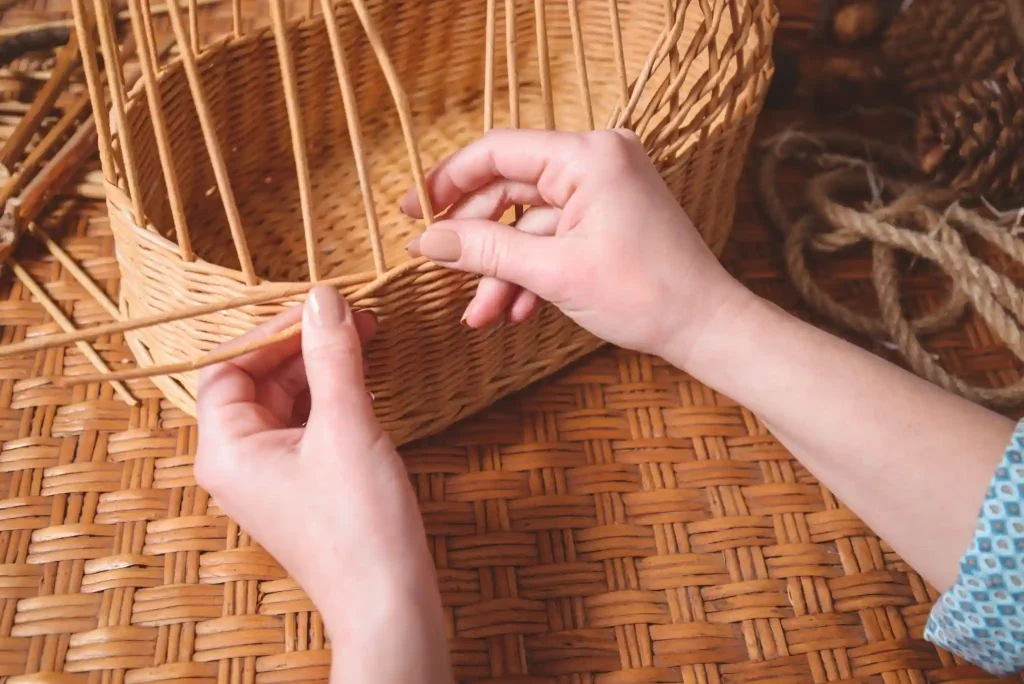
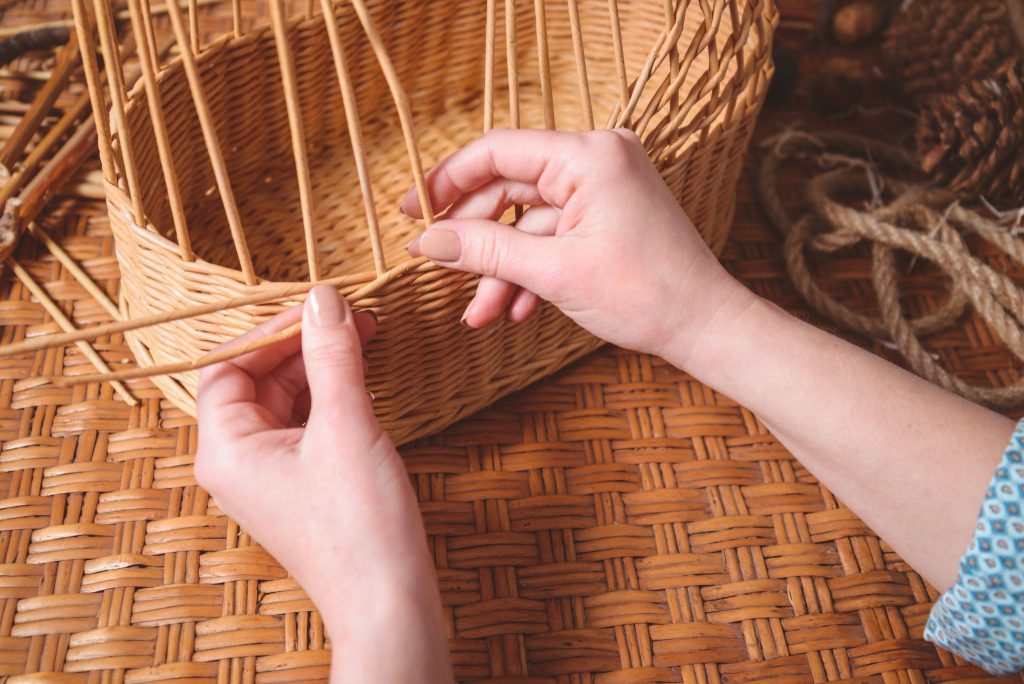
Creating a basket requires a high level of skill and mastery, further solidifying its status as an art form. Weaving involves various techniques, including coiling, twining, and plaiting, each requiring dexterity and precision. The weaver must understand the properties of the materials they use, as different fibers respond differently to tension, moisture, and manipulation.
Expert basket weaver and educator, Tom McCauley, emphasizes the importance of skill development: “Basket weaving is a craft that demands patience. Each technique takes time to master, and every mistake is a learning opportunity. The journey of mastering these skills is what makes it an art form.”
The Practical Skill of Basket Weaving
Functionality and Utility
While basket weaving is undeniably an art, its practicality cannot be overlooked. Baskets are versatile tools that serve a multitude of purposes. From storage solutions to decorative items, baskets are woven into the fabric of everyday life. Their functionality is one of the reasons they remain relevant in contemporary society.
For instance, in rural communities, handwoven baskets are often used for gathering crops, storing grains, or organizing household items. These practical applications highlight the enduring importance of basket weaving as a skill that enhances daily living.
Sustainable Practices
In an era where sustainability is paramount, basket weaving stands out as a craft that aligns with eco-friendly practices. Many weavers use natural materials sourced locally, minimizing their environmental impact. The craft promotes a connection to nature, encouraging individuals to appreciate and use resources responsibly.
For example, the use of willow and other fast-growing plants in basket weaving not only provides a renewable resource but also supports local ecosystems. Weavers can harvest materials in a way that fosters growth, ensuring that their craft remains sustainable for future generations.
Community and Collaboration
Basket weaving has a rich tradition of community involvement, often serving as a communal activity that fosters collaboration and cultural exchange. Weaving circles or groups bring individuals together to share techniques, stories, and experiences. This social aspect enhances the practical application of basket weaving, as artisans learn from one another and collectively preserve their cultural heritage.
In many Indigenous communities, basket weaving is a rite of passage for young people, teaching them valuable skills while instilling a sense of belonging and identity. This communal approach not only strengthens social bonds but also ensures the continuation of traditional practices.
The Interplay Between Art and Practicality
Blending Aesthetics with Function
The interplay between art and practicality in basket weaving creates a unique dynamic that enriches both aspects. A beautiful basket can inspire admiration and appreciation while serving a practical purpose. Conversely, a practical basket can evoke creativity and innovation in its design.
For example, the work of contemporary basket artists often blurs the lines between functional objects and fine art. Pieces displayed in galleries may serve as both decorative items and conversation starters, inviting viewers to explore the stories behind the craftsmanship. This duality enhances the value of basket weaving as both an art form and a practical skill.
Educational Opportunities
The recognition of basket weaving as both an art and a practical skill has led to increased interest in educational programs and workshops. Many organizations and institutions offer classes that teach traditional techniques alongside contemporary practices. This educational approach not only preserves the craft but also inspires a new generation of weavers to explore the possibilities of basket weaving.
For instance, community colleges and art centers often host workshops that attract individuals of all skill levels. These classes provide hands-on experience, allowing participants to learn from seasoned artisans and discover their creative potential. The fusion of art and practicality in these educational settings fosters a deeper appreciation for basket weaving as a multifaceted craft.
Real-Life Examples of Basket Weaving as Art and Skill
The Work of Contemporary Artists
Several contemporary artists have gained recognition for their innovative approaches to basket weaving, blending traditional techniques with modern aesthetics. One notable example is the work of Eliza McCausland, whose baskets feature intricate patterns and vibrant colors. McCausland’s pieces often challenge conventional notions of basketry, elevating the craft to a form of fine art.
Another inspiring figure is Linda K. Smith, who uses natural materials to create functional baskets that reflect her deep connection to the environment. Smith’s work emphasizes sustainability and ecological awareness, showcasing how basket weaving can serve both artistic and practical purposes.
Cultural Preservation
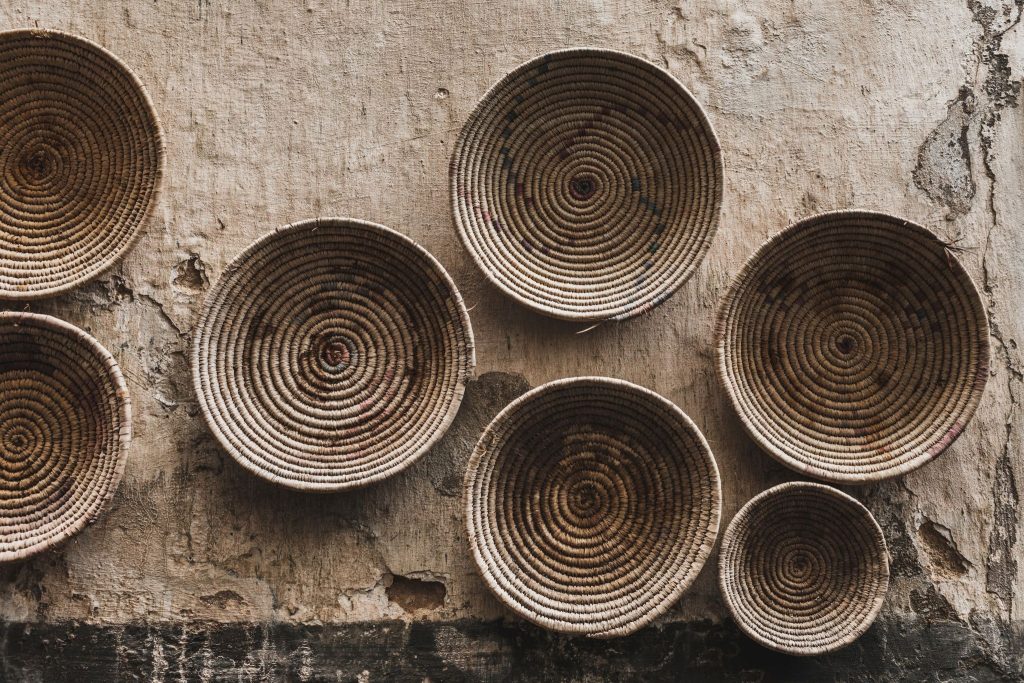
In many Indigenous communities, basket weaving plays a crucial role in preserving cultural heritage. For example, the Pomo tribe in California is known for its intricate coiled baskets, which have been passed down through generations. These baskets are not only functional but also carry cultural significance, often featuring designs that reflect the tribe’s history and beliefs.
Elder weavers in the Pomo community often mentor younger generations, ensuring that traditional techniques and stories are preserved. This intergenerational knowledge transfer reinforces the importance of basket weaving as both an art and a practical skill, contributing to the cultural identity of the tribe.
Community Projects
In recent years, community-based projects have emerged to promote basket weaving as a means of empowerment and skill development. Organizations like the Basket Weavers of America provide resources and support for weavers across the country. These initiatives often focus on teaching traditional techniques while incorporating modern design elements, fostering a sense of community and collaboration.
For example, community weaving circles have sprung up in urban areas, bringing together individuals from diverse backgrounds to share their experiences and learn from one another. These gatherings not only promote skill development but also create a supportive environment where participants can explore their creativity.
Conclusion
Basket weaving is a unique craft that embodies both artistic expression and practical skill. Its rich history, cultural significance, and versatility make it a valuable practice that transcends time and place. As we explore the interplay between art and functionality in basket weaving, it becomes clear that this craft is more than just a means to create beautiful objects; it is a form of storytelling, a way to connect with nature, and a means of preserving cultural heritage.
As interest in basket weaving continues to grow, it is essential to recognize the value of this craft in fostering creativity, sustainability, and community. By embracing basket weaving as both an art and a practical skill, we can ensure that this timeless tradition thrives for generations to come.