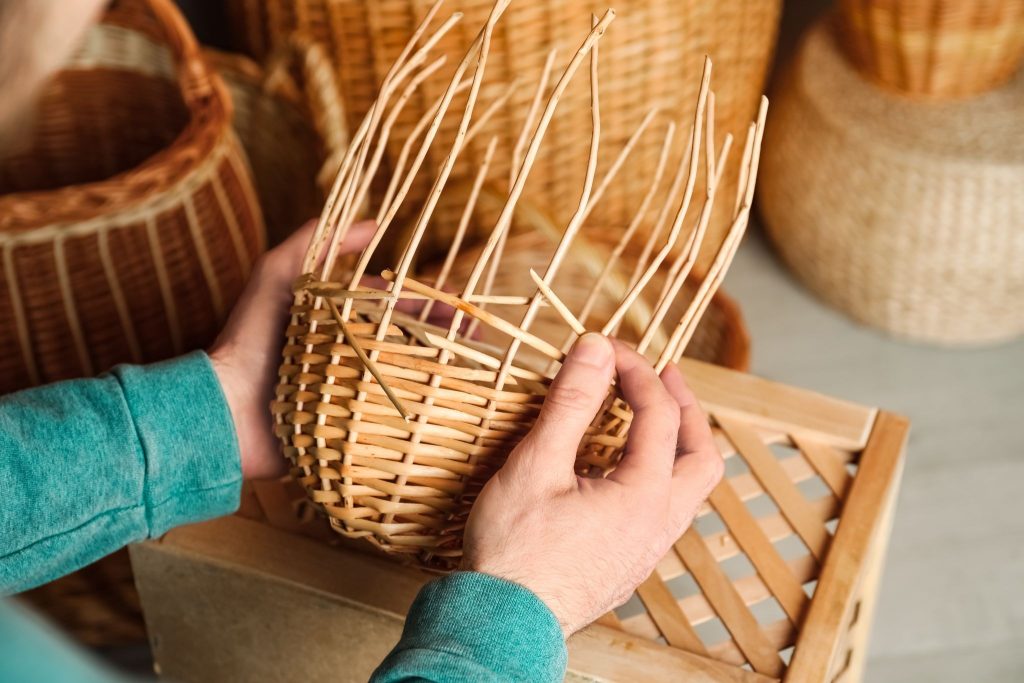
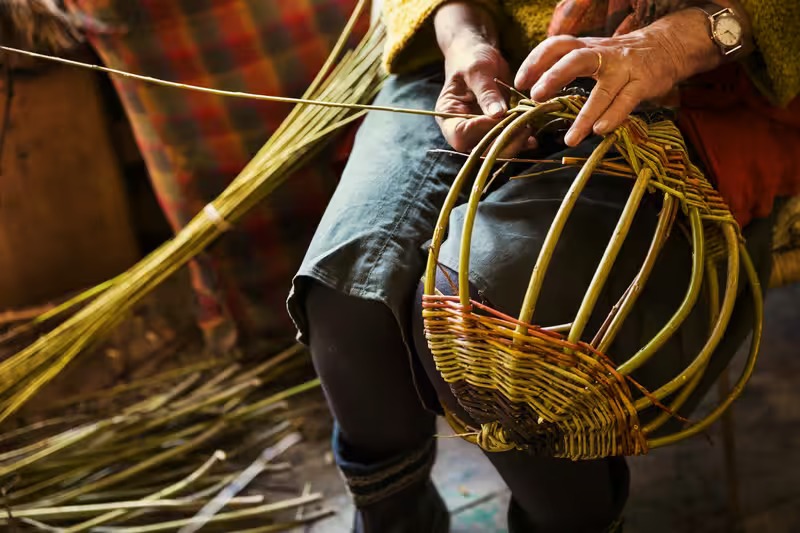
The time it takes to complete a handwoven basket is not fixed. It can range from a few hours to several days depending on size, material, design complexity, and the skill level of the artisan. While small decorative pieces may be finished quickly, larger functional baskets require more patience and structured weaving.
Basket weaving is a craft where speed and quality rarely move together at the same pace. A beginner may take significantly longer, while an experienced weaver can complete the same handwoven basket in a fraction of the time. Understanding what affects timing helps set realistic expectations and improves appreciation for the craft.
Understanding What Determines the Time for a Handwoven Basket
Several factors influence how long a handwoven basket takes to complete. The most obvious is size, but there are deeper elements involved that beginners often overlook.
A small basket may seem quick, but if it includes detailed weaving patterns, it can still take hours of focused work. On the other hand, a large basket with a simple weave may progress steadily but require multiple sessions due to its scale.
Material choice also plays a major role. Some natural fibers are easy to bend and weave, while others require soaking, preparation, and careful handling. This preparation time is often not counted but significantly impacts total completion time.
Skill level is another major factor. Experienced weavers develop rhythm and muscle memory, allowing them to work faster with fewer mistakes. Beginners often pause frequently to correct structure or adjust tension.
Finally, design complexity can extend the timeline. Adding handles, lids, or decorative patterns requires extra steps that slow down the overall process but enhance the final product.
Time Breakdown of a Typical Handwoven Basket Process
To understand the total time needed, it helps to break the process into stages. Basket making is not a single continuous activity but a series of steps that build on each other.
Preparation Stage Before Weaving Begins
Preparation often takes longer than expected. Natural materials such as reeds, willow, or grasses must be selected, cleaned, and sometimes soaked to make them flexible.
Soaking can take several hours or even overnight depending on the fiber type. After soaking, materials may need partial drying so they are workable but not brittle.
Tools are also prepared during this stage. Weavers organize cutting tools, molds, and work surfaces to ensure smooth workflow. For professionals, this stage is routine, but for beginners it can add noticeable time to the project.
Core Weaving Stage and Active Construction
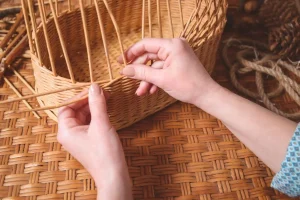
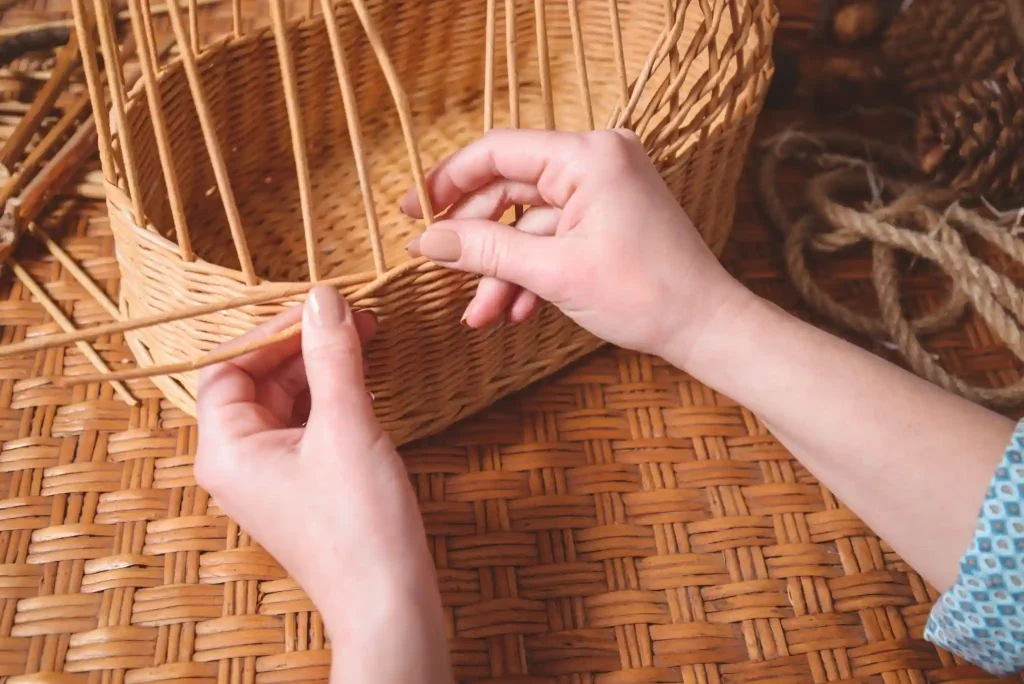
The weaving stage is where the handwoven basket takes shape. It begins with forming the base, which sets the structure for the entire piece.
Once the base is stable, the sides are built gradually by adding rows of weaving material. This stage requires consistency in tension and spacing. Any imbalance here can affect the final shape.
Finishing the top edge is another careful step. Reinforcing the rim ensures durability and prevents unraveling. This stage often requires slower, more precise movements than earlier parts of the process.
Small, Medium, and Large Handwoven Basket Timelines Compared
The size of a basket is one of the strongest indicators of completion time. However, size alone does not determine speed. Structure and purpose also matter.
Small baskets, often used for decoration or storage of lightweight items, can sometimes be completed in a few hours by experienced artisans. Beginners may need a full day due to adjustments and learning errors.
Medium-sized baskets, such as household storage containers, usually require a full working day or more. These baskets demand more structural stability, which increases weaving time.
Large baskets, especially those used for heavy storage or commercial purposes, can take multiple days. They are often built in sessions rather than a single sitting due to physical effort and material requirements.
For beginners, even small projects may feel time-intensive because of the learning curve involved in maintaining shape and tension.
How Material Choice Impacts Handwoven Basket Completion Time
Materials significantly affect weaving speed. Some are naturally flexible, while others require preparation or adjustment before use.
Natural Fibers Like Reed, Willow, and Grass
Natural fibers are commonly used in traditional basket weaving. Reed and willow are especially popular because they are flexible and strong.
However, these materials often require soaking before use. This step can take hours and must be planned in advance. If the fibers dry too quickly, they may become difficult to weave.
Grasses are lighter and easier to handle but may require additional reinforcement depending on basket design. The preparation stage for natural fibers often defines the overall project timeline more than the weaving itself.
Synthetic vs Traditional Materials
Synthetic materials are easier to handle in many cases. They do not require soaking and maintain consistent flexibility. This can significantly reduce preparation time.
However, synthetic materials may not offer the same aesthetic or traditional feel as natural fibers. Some artisans also find them less responsive during intricate weaving.
Traditional materials may slow down the process but often produce more durable and visually authentic results. Choosing between them depends on the purpose of the handwoven basket.
Skill Level and Its Effect on Handwoven Basket Speed
Experience is one of the most important factors influencing completion time.
Beginners often work slowly because they are learning tension control, pattern consistency, and structural balance. Mistakes are common and require correction, which adds time.
Intermediate weavers become more efficient. They can maintain steady rhythm and make fewer adjustments during the process. Their baskets are completed faster with improved consistency.
Experts operate at a much higher speed due to muscle memory and familiarity with patterns. They can complete complex handwoven basket designs in significantly less time while maintaining quality.
However, even experts slow down when working on highly detailed or experimental designs.
Design Complexity and Its Role in Weaving Time
Design choices can dramatically change how long a basket takes to complete. Simple designs focus on function and structure, while complex designs prioritize aesthetics.
Plain weave patterns are the fastest to complete because they follow repetitive structure. These are often used in utility baskets.
Intricate patterns, such as alternating weaves or decorative motifs, require constant attention and slow progress.
Additional features like handles or lids also extend production time. These elements require separate construction steps and integration into the main structure.
Multi-material baskets or color variations add another layer of complexity because they require planning and precision during weaving.
Environmental and Working Conditions Affecting Basket Weaving Time
External conditions also influence the speed of basket making.
Humidity plays a major role in material flexibility. In dry environments, fibers may become brittle and harder to weave. In humid conditions, they remain flexible but may take longer to dry after preparation.
Workspace organization affects efficiency. A well-organized space allows smooth movement and reduces interruptions. Poor setup can slow down even experienced weavers.
Seasonal changes also matter. In some regions, certain materials are only available or easiest to prepare during specific seasons. This can indirectly influence project timelines.
Batch production, where multiple baskets are made in sequence, can improve efficiency by reducing setup time between projects.
Realistic Time Expectations for Learning Handwoven Basket Making
For first-time weavers, a simple handwoven basket may take several hours to more than a day depending on complexity. The focus is not speed but learning structure and technique.
As practice increases, completion time gradually decreases. Repetition builds rhythm, improves coordination, and reduces hesitation.
After several projects, most learners reach a stable pace where time becomes more predictable. However, complexity still affects duration regardless of experience.
Setting realistic expectations is important. Basket weaving is a craft where patience leads to better quality. Rushing often results in structural imbalance or uneven weaving.
FAQs
1. How long does a simple handwoven basket take to make?
A simple handwoven basket can take a few hours for experts, but beginners may need a full day depending on technique and material preparation time.
2. What is the fastest material for making a handwoven basket?
Synthetic fibers are usually the fastest because they require no soaking or preparation and maintain consistent flexibility during weaving compared to natural materials.
3. Why do large handwoven baskets take longer to complete?
Large baskets require more material, stronger structural support, and longer weaving sessions, often spread across multiple days to maintain shape and consistency.
4. Does experience really reduce basket weaving time?
Yes, experienced weavers work faster due to muscle memory, better tension control, and fewer mistakes, significantly reducing overall completion time.
5. Can weather affect how long a handwoven basket takes?
Yes, humidity and temperature affect material flexibility and drying time, which can slow down or speed up different stages of basket making.