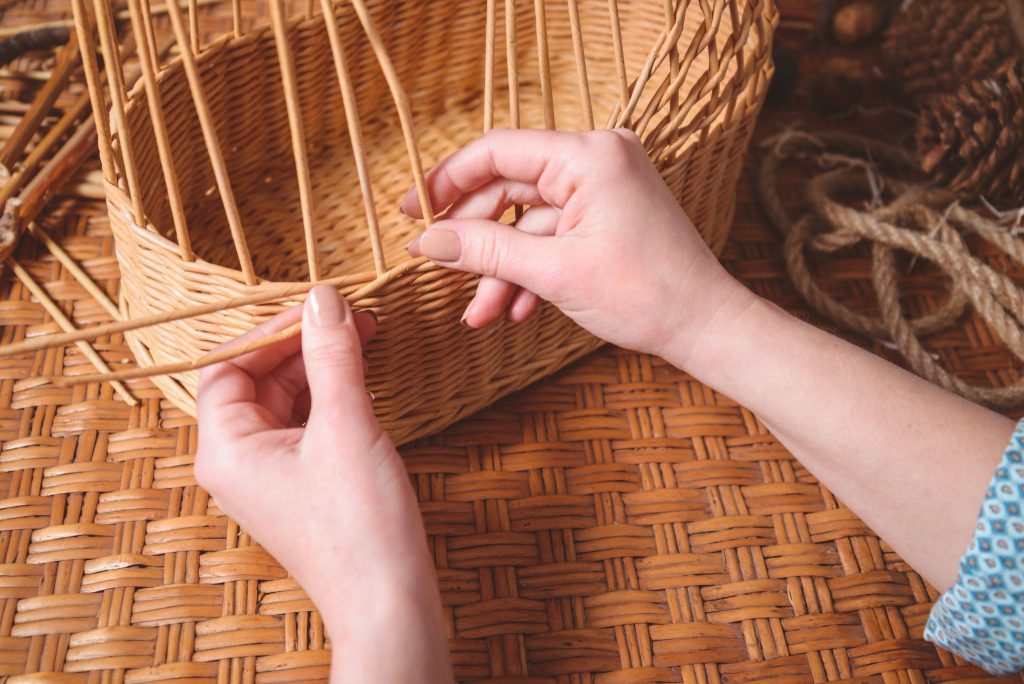
Basket weaving is one of the oldest creative traditions in human history. Long before machines shaped daily life, artisans relied on natural fibers and simple hand tools to create baskets for farming, storage, fishing, and decoration. Today, basketry continues to evolve. Traditional weaving methods still inspire craftspeople around the world, while modern innovations have introduced faster, safer, and more precise tools for contemporary makers. Understanding the right basket weaving tools is essential for anyone who wants to create durable, beautiful, and functional woven pieces.
The fascinating part about basketry is that tools can dramatically influence the weaving process. A traditional willow basket crafted with hand-carved wooden tools carries a very different character than a sleek modern basket made with synthetic materials and precision cutters. Both styles require skill, patience, and the correct equipment. Beginners often underestimate how much the right tools improve comfort, efficiency, and weaving quality. Even experienced artisans continue refining their toolkit over time.
This guide explores the most important basket weaving tools used in both traditional and modern basketry. It also explains how each tool affects technique, material handling, basket strength, and artistic expression. Whether you are starting your first woven project or expanding your professional studio, understanding these tools can transform the way you approach basket making.
The Historical Importance of Basket Weaving Tools
Basket weaving developed differently across cultures because local communities used materials available in their environments. Indigenous artisans worked with reeds, grasses, bark, pine needles, willow, bamboo, and rattan. Their tools were usually handmade from bone, wood, stone, or metal. Despite their simplicity, these traditional tools were remarkably effective and helped create baskets that lasted for decades.
In many ancient societies, basketry tools were considered valuable personal items passed through generations. Skilled weavers often customized knives, awls, and splitters according to their preferred weaving style. The design of these tools reflected regional traditions and practical needs. Coastal communities required different weaving methods than mountain villages, which naturally influenced the tools being used.
Modern basketry still respects these historical roots. Many contemporary artisans intentionally combine traditional hand tools with newer equipment to preserve authenticity while improving efficiency. This blend of old and new has expanded the creative possibilities within modern basket weaving.
Essential Traditional Basket Weaving Tools
The Basket Knife and Its Role in Precision Work
One of the most important traditional basket weaving tools is the basket knife. Historically, artisans used carefully sharpened knives to trim reeds, split willow branches, shave bark, and shape weaving materials. The basket knife remains indispensable because basketry depends heavily on accuracy and clean cuts.
Traditional basket knives are usually lightweight and extremely sharp. Their curved blades allow controlled cutting without damaging fibers. A poorly sharpened knife can crush reeds or weaken natural materials, leading to fragile basket structures. Experienced weavers maintain their knives carefully because tool sharpness directly affects weaving quality.
Handcrafted knives are still highly respected in basketry communities because they provide tactile control that machine cutters often cannot replicate. Many artisans believe the relationship between hand and blade creates more organic results in the final woven piece.
Awls and Their Structural Function
Awls are another foundational tool in traditional basket weaving. These pointed tools help separate woven rows, create openings for stakes, and adjust tight sections without breaking fibers. Basket weaving frequently requires manipulating dense materials, and awls allow precision without excessive force.
Traditional awls were often made with wooden handles and metal tips. Some cultures even used sharpened animal bones before metalworking became common. Today, awls remain critical because they help maintain even spacing and improve structural consistency.
A skilled weaver uses the awl almost like an extension of the hand. It helps guide materials smoothly into position while protecting delicate fibers from unnecessary stress. Without an awl, detailed weaving patterns become significantly more difficult.
Reed Splitters for Material Preparation
Traditional basket makers spent considerable time preparing raw materials before weaving even began. Reed splitters were developed to divide thicker reeds into thinner, more workable strands. These tools allowed artisans to create uniform weaving materials with consistent flexibility.
Reed splitters vary in design depending on regional basket styles. Some are simple handheld devices, while others contain multiple blades that divide reeds into equal sections simultaneously. Proper splitting is important because uneven strands create tension inconsistencies throughout the basket.
Traditional artisans valued patience during material preparation. They understood that strong baskets begin with carefully processed weaving materials. Even today, many professional basket makers still prefer manual reed splitting because it gives them greater control over texture and thickness.
Natural Material Preparation Tools
Soaking Tubs and Moisture Management
Natural fibers become flexible when properly hydrated. Traditional basket makers used soaking tubs, wooden troughs, or river water to soften reeds and willow before weaving. Moisture control remains one of the most overlooked aspects of successful basketry.
Dry fibers crack easily during bending, while overly soaked materials can weaken and lose structural integrity. Experienced artisans understand how moisture affects different weaving materials and adjust soaking times accordingly.
Modern soaking systems may include plastic containers and moisture-retention wraps, but the principle remains identical to ancient practices. Proper preparation prevents frustration and improves the lifespan of finished baskets.
Mallets and Packing Tools
Traditional weavers often used wooden mallets and packing tools to tighten woven rows. Compact weaving increases durability and prevents loose gaps from forming over time. Packing tools help compress fibers evenly without damaging the basket structure.
Wooden packing tools are especially useful in rigid basket forms where tight tension is essential. These tools also improve shaping consistency, allowing artisans to maintain symmetrical forms throughout the weaving process.
Modern versions sometimes use rubber or lightweight composite materials, but many basket makers still prefer traditional wooden packers because they provide a more natural feel during weaving.
The Rise of Modern Basket Weaving Tools
Precision Cutters and Rotary Tools
Modern basketry has embraced precision cutting tools designed for speed and efficiency. Rotary cutters, craft knives, and advanced trimming devices allow artisans to process large amounts of material quickly while maintaining consistency.
These tools are especially valuable for commercial basket production and detailed decorative designs. Precision cutters reduce hand fatigue and improve workflow for repetitive tasks. They also support cleaner edges, which are important in contemporary basket aesthetics.
Modern tools have expanded basketry into new artistic directions. Intricate geometric patterns and mixed-material weaving techniques are easier to achieve with highly accurate cutting systems.
Electric Sanding and Finishing Equipment
Contemporary basket makers often use electric sanding tools to smooth handles, wooden frames, and decorative components. Traditional hand sanding can take hours, especially on large projects. Electric finishing tools speed up production while delivering professional results.
Modern finishing equipment also allows basket makers to experiment with polished surfaces and refined textures that were difficult to achieve in historical basketry. This has broadened basket weaving into luxury craft markets and interior design industries.
However, experienced artisans still caution against excessive machine use. Handmade character remains central to basketry’s appeal, and over-processing can sometimes remove the organic beauty that makes woven work unique.
Measuring and Design Tools in Modern Basketry
Measuring Gauges and Templates
Modern basket weaving increasingly relies on precision measurement tools. Templates, rulers, gauges, and shaping molds help artisans maintain accurate proportions and repeat successful designs consistently.
For beginners, templates are especially valuable because they simplify complicated shapes and reduce construction errors. Professional basket makers also use measurement systems when creating custom commissions that require exact sizing.
Traditional artisans relied more on instinct and experience, but modern tools provide accessibility for newer generations learning the craft.
Digital Design Integration
Technology has entered basketry in surprising ways. Some contemporary artists use digital sketching software and laser-cut templates to design complex woven structures. These innovations allow experimentation with architectural basket forms and sculptural installations.
Although basket weaving remains deeply rooted in hand craftsmanship, digital planning tools have expanded creative boundaries. Modern basket artists now combine ancient weaving methods with advanced design technology to produce visually striking contemporary works.
Expert Advice for Choosing Basket Weaving Tools
One of the biggest mistakes beginners make is buying too many tools too quickly. Basket weaving becomes more enjoyable when artisans gradually build their toolkit according to their evolving techniques and preferred materials. A simple starter collection with a sharp knife, awl, soaking container, and packing tool is often enough for learning foundational skills.
Experts also recommend investing in quality rather than quantity. Cheap cutting tools dull quickly and create uneven weaving results. High-quality tools improve comfort, precision, and long-term durability. Basket weaving involves repetitive hand movement, so ergonomic handles and balanced weight distribution can significantly reduce strain during long projects.
Material compatibility matters as well. Different weaving fibers require different tool strengths and blade styles. Willow basketry may demand heavier cutting tools, while delicate pine needle weaving benefits from finer needles and thread cutters. Understanding the relationship between material and tool selection improves weaving efficiency and artistic control.
Storage and maintenance are equally important. Sharp tools should remain clean and dry to prevent rust and deterioration. Many professional basket makers maintain dedicated storage spaces to protect their equipment and preserve cutting precision.
How Traditional and Modern Tools Work Together
The most successful basket makers often combine traditional craftsmanship with modern convenience. A weaver may use a centuries-old splitting technique while relying on modern measuring templates for accuracy. This hybrid approach preserves the authenticity of basketry while embracing practical improvements.
Traditional tools encourage tactile awareness and deeper connection with materials. Modern tools reduce physical strain and support efficiency. Together, they create a balanced workflow that honors heritage while adapting to contemporary creative demands.
This combination is especially valuable for educational basketry programs. Students can learn historical techniques while gaining access to safer and more efficient modern equipment. As a result, basket weaving remains relevant and accessible to new generations.
Basket Weaving Tools and Artistic Expression
Tools influence not only technique but also artistic identity. Every basket maker develops preferences that shape their weaving style. Some artisans favor rough-textured hand tools because they create rustic results. Others prefer highly refined equipment for sleek contemporary aesthetics.
The relationship between tool and artist becomes increasingly personal over time. Experienced weavers often modify handles, sharpen blades differently, or create custom tools for specific weaving techniques. This personalization reflects the deeply human aspect of basketry as both a functional skill and an artistic tradition.
Modern basket art has expanded beyond utility into sculpture, fashion, and interior design. As creative possibilities grow, so does the importance of selecting the right tools for artistic goals. Whether creating a simple market basket or a museum-quality woven sculpture, the choice of tools directly impacts the final visual expression.
Sustainability and Eco-Friendly Tool Practices
Sustainability has become a major focus in contemporary basketry. Many artisans now prioritize eco-friendly materials and long-lasting tools rather than disposable equipment. Traditional basket weaving naturally aligned with sustainability because artisans used locally sourced natural fibers and handcrafted reusable tools.
Modern basket makers increasingly return to these principles. Wooden-handled tools, biodegradable fibers, and responsibly harvested materials are gaining popularity again. Some artisans even restore vintage basketry tools instead of purchasing new equipment.
Sustainable tool practices also encourage slower, more intentional craftsmanship. Basket weaving becomes less about mass production and more about preserving cultural traditions, environmental awareness, and artistic integrity.
Learning Basket Weaving Through Hands-On Practice
Reading about basket weaving tools provides valuable understanding, but real skill develops through practice. Handling reeds, adjusting tension, and experimenting with different tools teaches lessons that theory alone cannot provide. Beginners often discover personal preferences only after trying multiple weaving methods.
Workshops and local basketry communities remain excellent learning environments. Observing experienced artisans use their tools reveals subtle techniques that are difficult to explain in writing. Small details, such as how a knife angle affects reed splitting or how an awl guides tension, become clearer through direct observation.
Patience is essential in basket weaving. Early projects may appear uneven or structurally weak, but consistent practice gradually develops control and confidence. Over time, tools feel more natural in the hand, and weaving motions become increasingly intuitive.
The Future of Basket Weaving Tools
Basket weaving continues evolving alongside changing artistic and technological trends. Lightweight composite tools, ergonomic designs, and digital crafting systems are becoming more common. However, the heart of basketry remains deeply connected to tradition and manual skill.
Future innovations will likely focus on sustainability, comfort, and creative flexibility rather than replacing hand craftsmanship entirely. The enduring appeal of basket weaving lies in its human touch. Even with modern advancements, artisans still value the calming rhythm of weaving by hand and the satisfaction of transforming raw materials into functional art.
As interest in handmade crafts grows worldwide, basket weaving tools will continue adapting to meet the needs of both traditional artisans and modern creators. This balance between heritage and innovation ensures that basketry remains a vibrant and evolving craft form.
Conclusion
Basket weaving tools are far more than simple instruments. They shape technique, influence artistic expression, and connect modern artisans to centuries of creative tradition. From handcrafted knives and awls to precision cutters and digital templates, every tool contributes to the weaving experience in a unique way.
Traditional tools preserve authenticity and tactile craftsmanship, while modern innovations improve accuracy and efficiency. Together, they create endless opportunities for creative exploration in basketry. Understanding how these tools function helps both beginners and experienced weavers build stronger, more beautiful, and more meaningful woven work.
Basket weaving remains one of the few crafts where ancient knowledge still blends naturally with modern creativity. The tools may evolve, but the essence of weaving by hand continues inspiring artisans around the world.
FAQs
Which basket weaving tools are best for beginners?
Beginners should start with essential basket weaving tools such as a sharp basket knife, an awl, soaking containers, and a simple packing tool. These tools provide enough functionality to learn weaving basics without becoming overwhelmed by specialized equipment. Quality matters more than quantity during the learning stage.
Are traditional basket weaving tools still used today?
Yes, many professional basket makers still prefer traditional tools because they offer greater control and preserve authentic weaving techniques. Handcrafted knives, wooden packing tools, and manual reed splitters remain widely respected in both artistic and functional basketry.
Can modern tools improve basket weaving quality?
Modern tools can improve efficiency, precision, and comfort during weaving. Rotary cutters, measuring templates, and ergonomic handles help reduce fatigue and support consistent results. However, skilled craftsmanship and material preparation remain equally important for producing high-quality baskets.