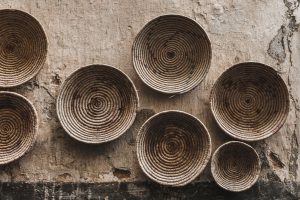
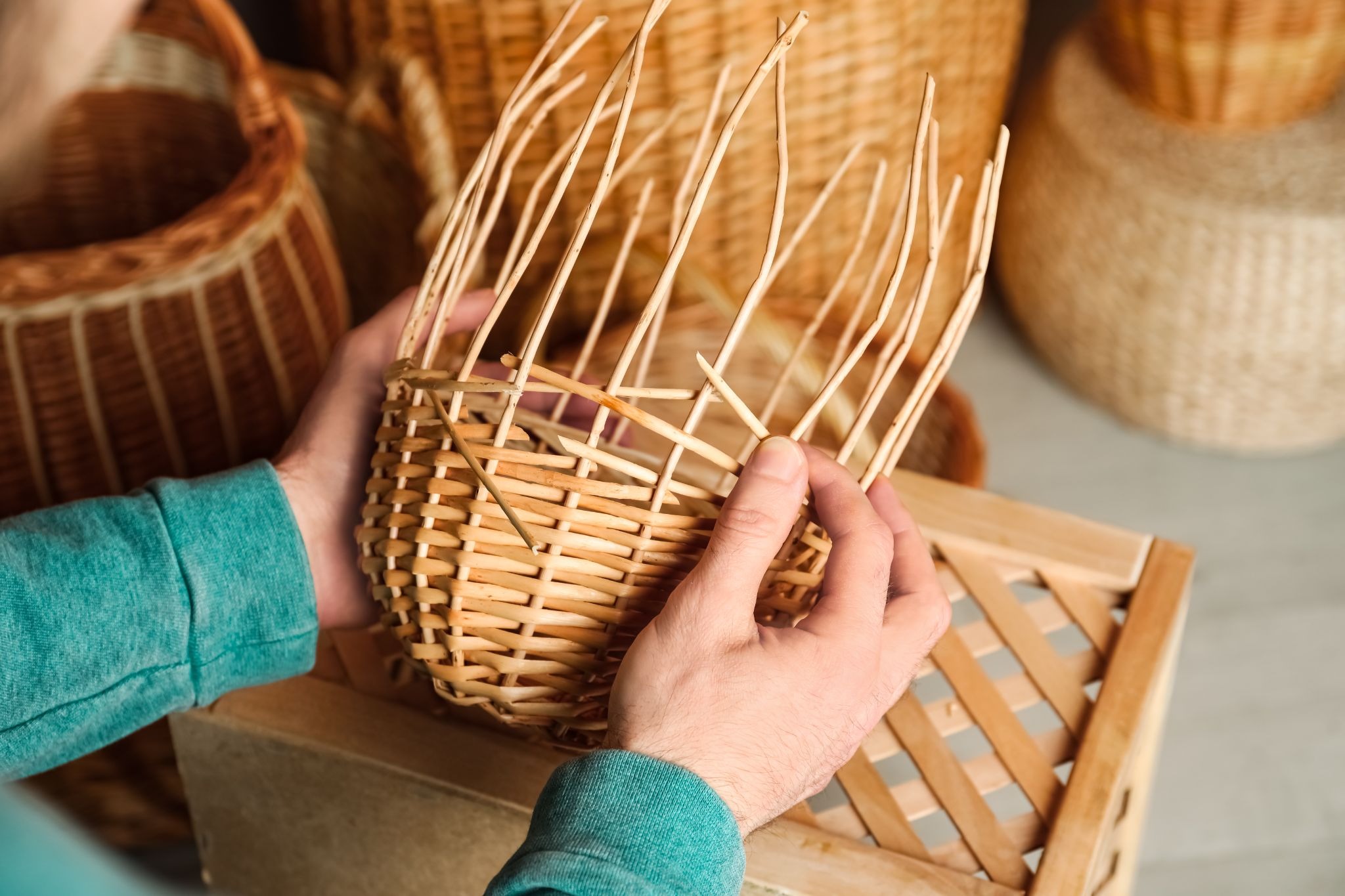
Basketry is one of the oldest crafts known to humanity, yet it feels more relevant today than ever before. In a world increasingly focused on sustainability, people are turning back to traditional skills that honor both creativity and environmental responsibility. The question is no longer whether baskets can be made from natural or recycled materials, but how beautifully and effectively they can be crafted using them.
At its core, basketry is about transforming simple, often overlooked materials into functional art. From dried grasses to discarded paper, the possibilities are vast and inspiring. This craft connects the maker to nature, history, and a slower, more intentional way of living.
Understanding how to use recycled and natural materials in basketry opens the door to a creative journey that is both meaningful and practical.
The Essence of Basketry: Tradition Meets Innovation
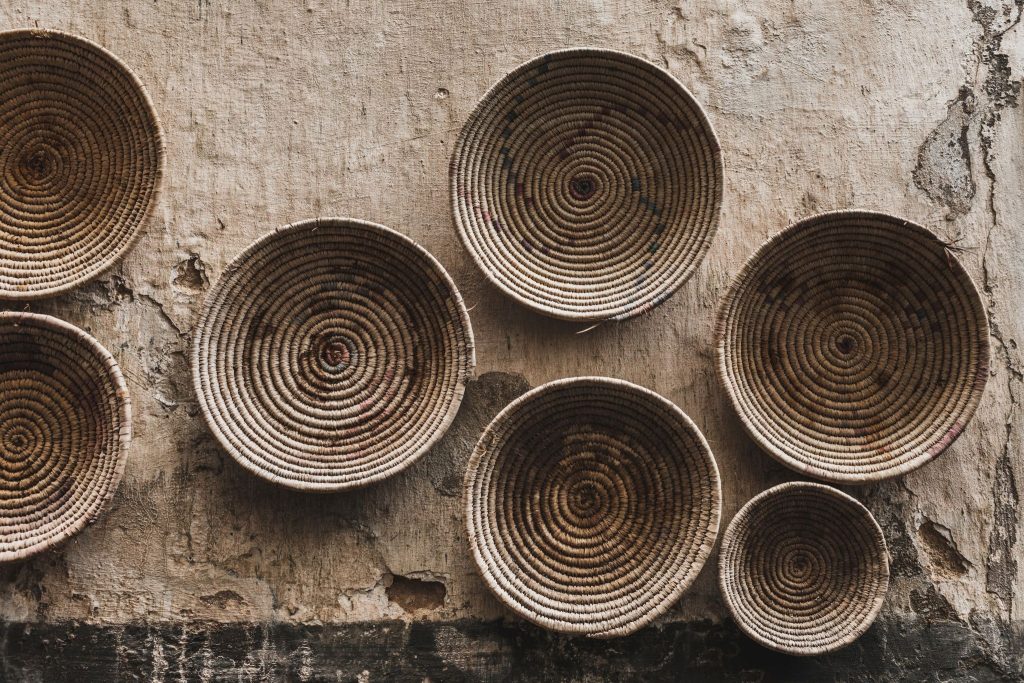
Basketry has evolved across cultures and centuries, adapting to the materials available in each region.
Ancient roots of weaving techniques
Early civilizations relied on basketry for storage, transportation, and daily tasks. The techniques developed during these times remain the foundation of modern weaving practices.
Modern reinterpretation of a timeless craft
Today, basketry blends traditional methods with contemporary design. Artists and hobbyists experiment with new materials, including recycled items, to create unique and sustainable pieces.
Natural Materials in Basketry: A Connection to the Earth
Natural materials have always been at the heart of basketry. They offer durability, flexibility, and an organic aesthetic.
Common natural materials used in basketry
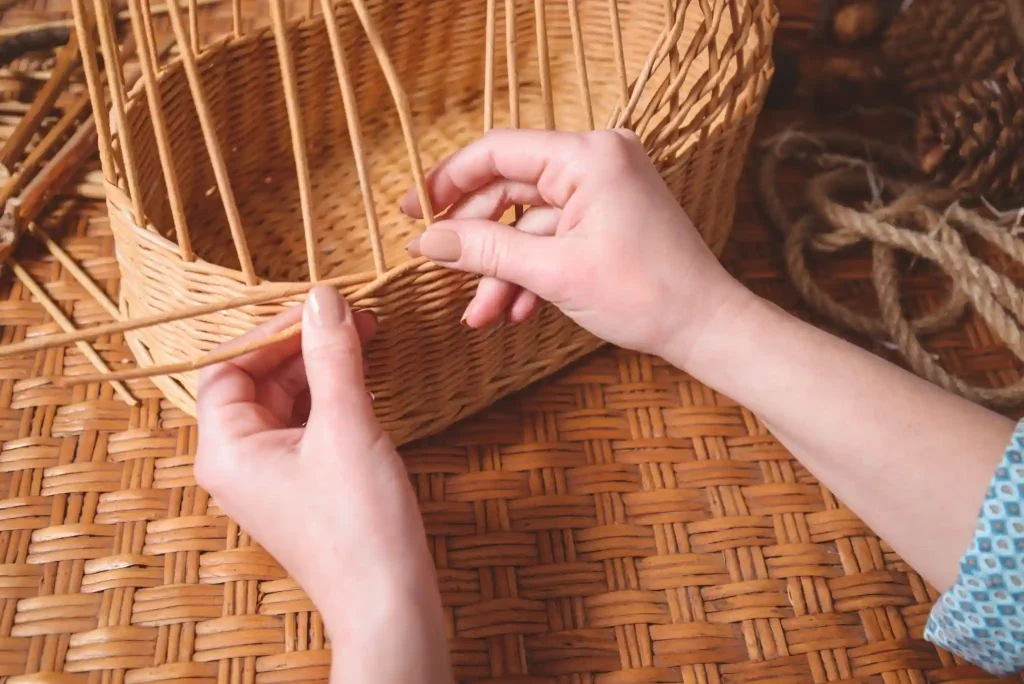
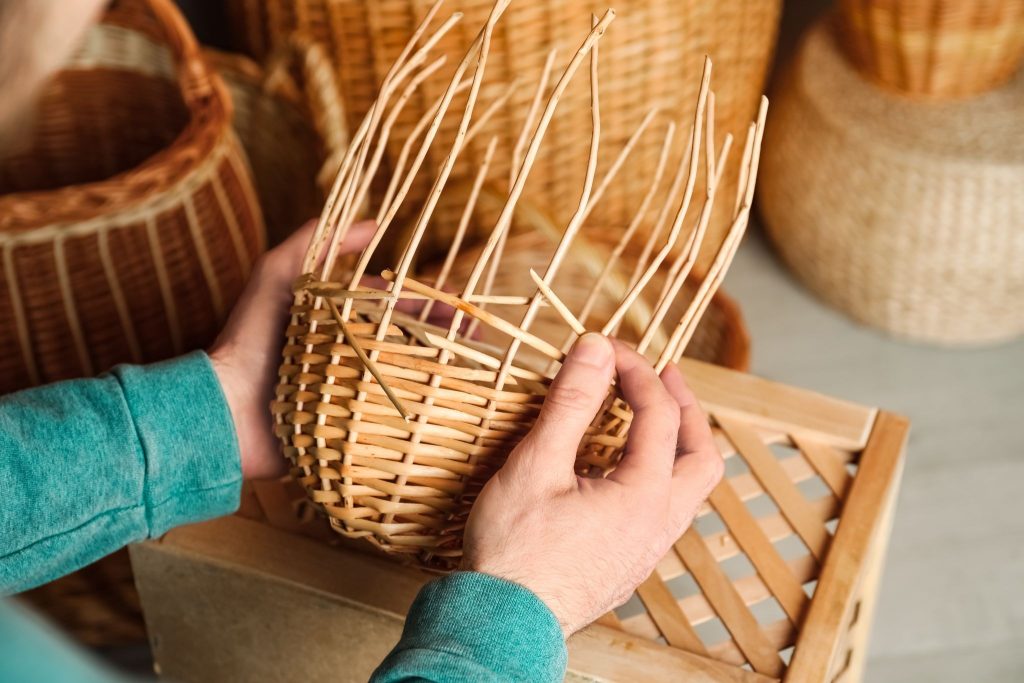
Willow branches for flexibility and strength
Rattan and cane for smooth weaving
Grasses and reeds for lightweight designs
Bamboo for durability and structure
These materials are not only functional but also biodegradable, making them environmentally friendly choices.
Preparing natural fibers for weaving
Before weaving begins, natural materials must often be soaked, dried, or treated to achieve the right level of flexibility. This preparation process is essential for creating strong and long-lasting baskets.
Recycled Materials: Turning Waste into Art
One of the most exciting aspects of modern basketry is the use of recycled materials.
Creative possibilities with everyday items
Recycled paper, fabric strips, plastic packaging, and even old wires can be transformed into weaving materials. These items, often considered waste, gain new life through creativity.
Environmental impact of recycled basketry
Reduces landfill waste
Encourages resourcefulness
Promotes sustainable living practices
This approach not only benefits the environment but also adds a unique story to each handmade piece.
Techniques That Bring Basketry to Life
The beauty of basketry lies in its techniques, each offering a different structure and aesthetic.
Coiling technique for structured designs
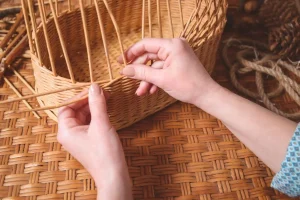
Coiling involves wrapping materials around a core and stitching them together. This method is ideal for beginners and works well with both natural and recycled materials.
Plaiting and twining methods
Plaiting creates flat, interwoven patterns, while twining involves twisting materials around a base. These techniques allow for intricate designs and strong construction.
Blending Natural and Recycled Materials
Modern basketry often combines different types of materials to achieve both functionality and artistic expression.
Creating contrast and texture
Mixing natural fibers with recycled elements adds depth and uniqueness to the design.
Balancing durability and creativity
Natural materials provide strength
Recycled materials add flexibility and color
Combined use enhances overall design
This blend reflects the evolving nature of basketry as both a craft and an art form.
Practical Uses of Handmade Baskets
Basketry is not just about aesthetics. It serves many practical purposes in everyday life.
Functional applications in modern homes
Handmade baskets can be used for storage, organization, and decoration. They bring warmth and authenticity to living spaces.
Sustainable alternatives to plastic storage
Using baskets made from natural or recycled materials reduces reliance on synthetic products, supporting a more eco-friendly lifestyle.
Expert Advice: Mastering Basketry with Confidence
Experts in basketry emphasize patience and practice as the foundation of success. Beginners are encouraged to start with simple techniques and gradually explore more complex designs.
One important piece of advice is to understand the material before working with it. Each type of fiber behaves differently, and learning its characteristics improves the quality of the final product.
Consistency in tension is another key factor. Uneven weaving can weaken the structure and affect the appearance of the basket.
Experts also recommend experimenting with materials. Combining natural and recycled elements can lead to innovative designs and personal expression.
Finally, sustainability should remain a guiding principle. Choosing locally available materials and reusing resources not only enhances creativity but also supports environmental responsibility.
Challenges and Learning Curves in Basketry
Like any craft, basketry comes with its challenges.
Material limitations and preparation
Natural materials may require time-consuming preparation, while recycled materials can vary in quality and consistency.
Developing technique and precision
Achieving even patterns and strong structures takes practice. Mistakes are part of the learning process and contribute to skill development.
The Emotional Value of Handmade Creations
Basketry offers more than physical results. It provides a sense of fulfillment and connection.
Creating something with your hands fosters mindfulness and reduces stress. Each basket carries the maker’s effort, creativity, and intention.
This emotional connection transforms basketry from a simple craft into a meaningful experience.
Future of Basketry in a Sustainable Era
As sustainability becomes a global priority, basketry is gaining renewed attention.
Designers and artisans are exploring innovative ways to use eco-friendly materials and modern techniques. This evolution ensures that basketry remains relevant in contemporary design and lifestyle trends.
The craft is no longer limited to tradition. It is becoming a symbol of creativity, sustainability, and conscious living.
Conclusion
Basketry proves that beauty and sustainability can coexist. By using natural and recycled materials, this craft offers a way to create functional objects while respecting the environment.
It encourages creativity, patience, and a deeper appreciation for simple resources. Whether practiced as a hobby or a profession, basketry provides endless opportunities for expression and innovation.
In a fast-paced world, it reminds us of the value of slowing down, working with our hands, and creating something meaningful.