Basket weaving is an ancient craft that connects us to our ancestors. It is an art form that transforms simple materials into beautiful, functional objects. For beginners, learning the basic techniques of basket weaving is crucial. These foundational skills will not only help you create your first basket but also spark creativity and a deeper appreciation for this timeless craft. In this article, we’ll explore essential techniques that will set you on your weaving journey.
Understanding the Materials
Types of Materials for Basket Weaving
The heart of basket weaving lies in the materials used. Natural fibers such as willow, reed, and grasses are popular choices. These materials are not only sustainable but also offer unique textures and colors. Willow, for instance, is flexible and easy to work with, making it a favorite for beginners. On the other hand, synthetic materials like plastic and nylon are also available. They can be more durable and come in various colors, allowing for vibrant, modern designs.
Choosing the Right Material
When starting, it’s essential to choose the right material. As a beginner, opt for materials that are flexible and easy to manipulate. Natural fibers like reed or rush are excellent starting points. They are forgiving and allow you to practice your techniques without frustration. Understanding the properties of different materials can significantly impact your weaving experience and the final product. Experimenting with various fibers will help you discover what you enjoy most.
Essential Tools for Basket Weaving
Basic Tools Needed
Every weaver needs a few basic tools to get started. A good pair of scissors is essential for cutting your materials to size. Additionally, a sharp knife can be helpful for more intricate cuts. Measuring tools, like a ruler or tape measure, will ensure your pieces are uniform. These tools are not just functional; they are your companions on this creative journey.
Optional Tools
As you progress in your basket-weaving journey, you may want to invest in some optional tools. Specialty tools like weaving needles or awls can make certain techniques easier. While not necessary for beginners, these tools can enhance your workflow and allow for greater creativity. Having the right tools at your disposal can make the process smoother and more enjoyable.
Fundamental Techniques in Basket Weaving
The Over-Under Technique
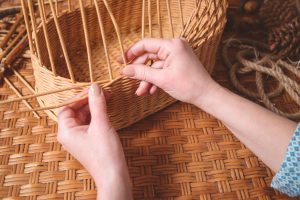
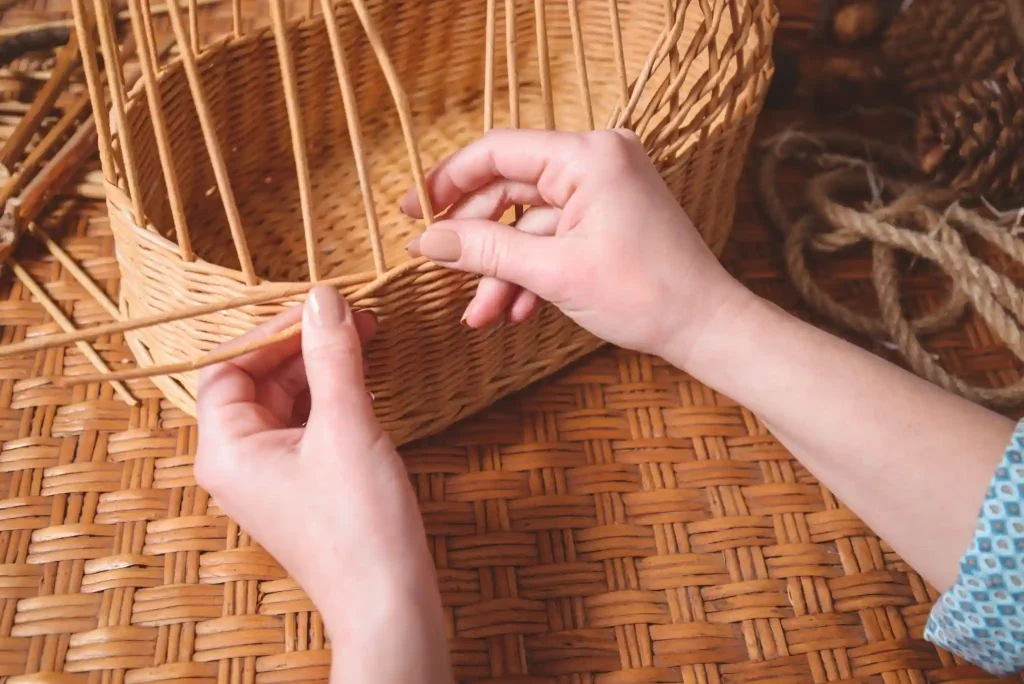
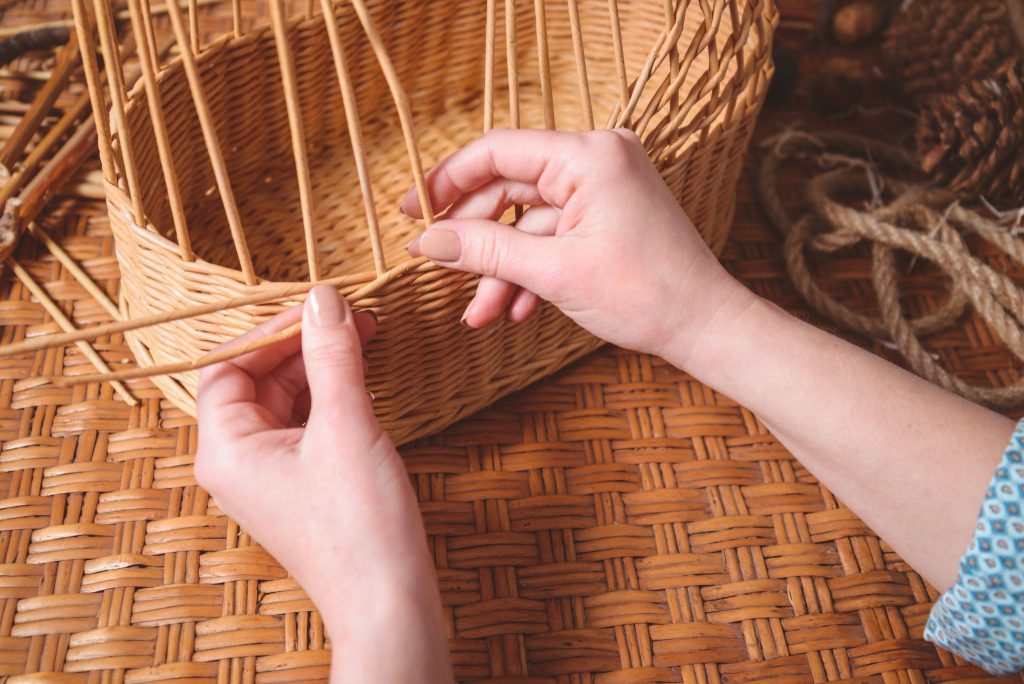
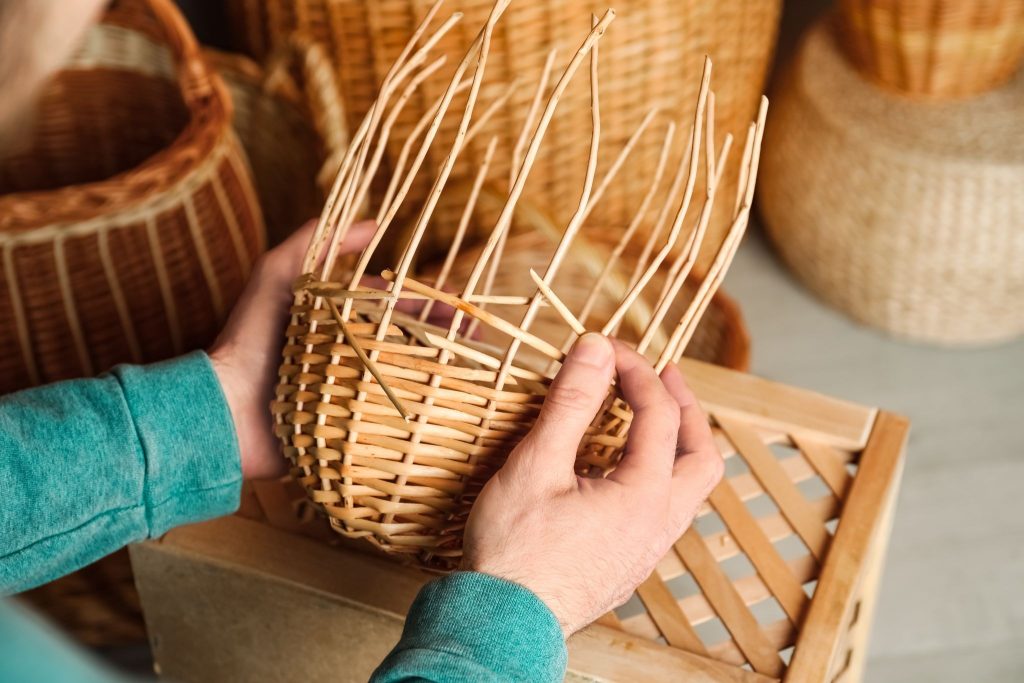
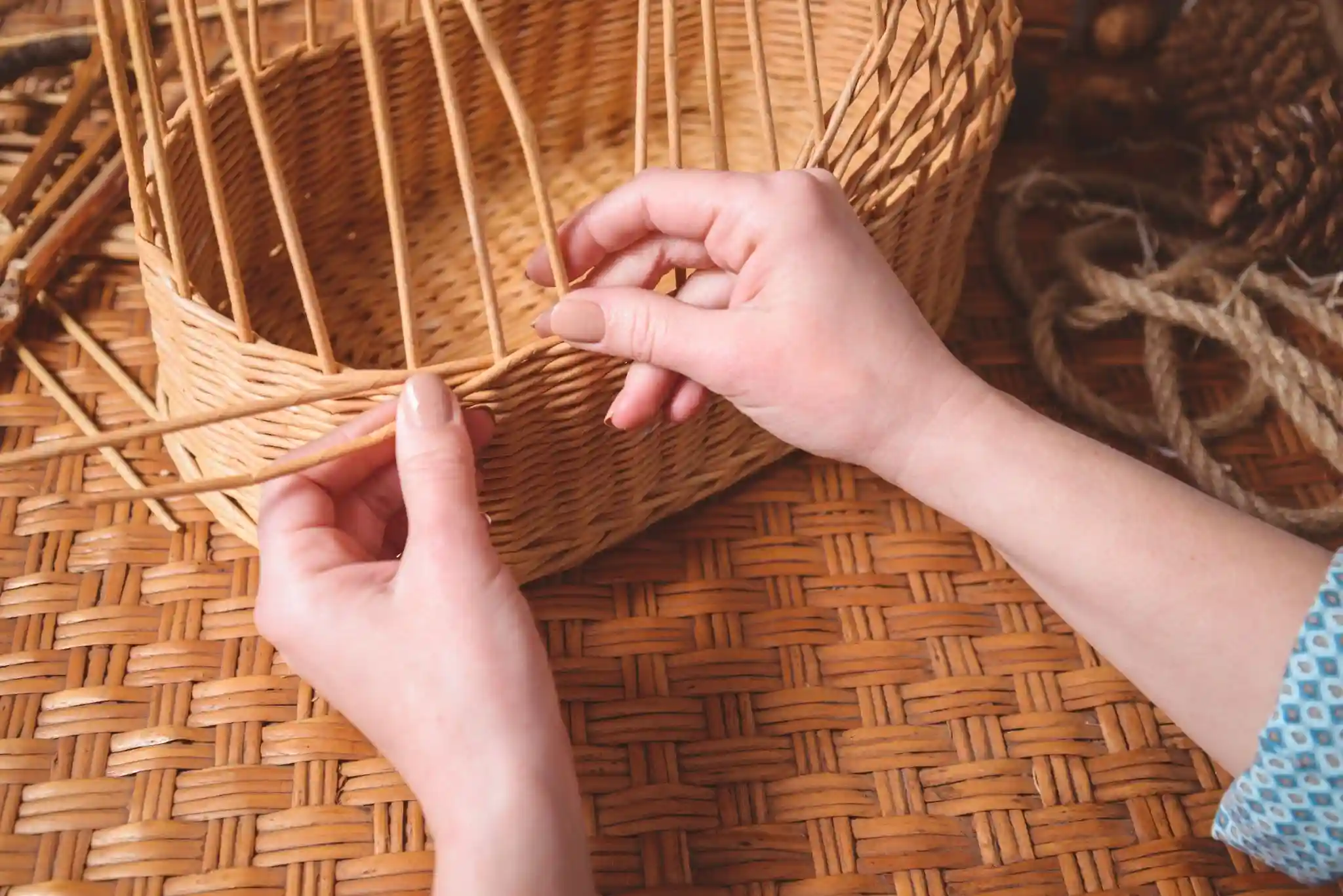
The over-under technique is the foundation of most basket weaving patterns. This simple yet effective method involves weaving strands of material over and under each other. It creates a sturdy structure that is essential for any basket. To start, take your base strands and lay them parallel. Then, take your weaving material and begin the over-under pattern, alternating with each row. This technique is not only easy to learn but also provides a satisfying rhythm that beginners can quickly grasp.
Twining Technique
Twining is another beautiful technique that adds texture and visual interest to your baskets. Unlike the over-under method, twining involves twisting two strands together as you weave. This creates a more intricate design that can be used to define edges or add decorative elements. To begin, select two strands and twist them around each other as you weave them into your basket. This technique may take some practice, but the results are well worth the effort.
Coiling Technique
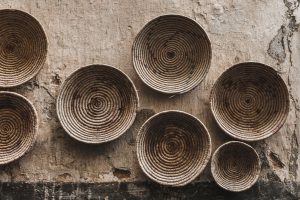
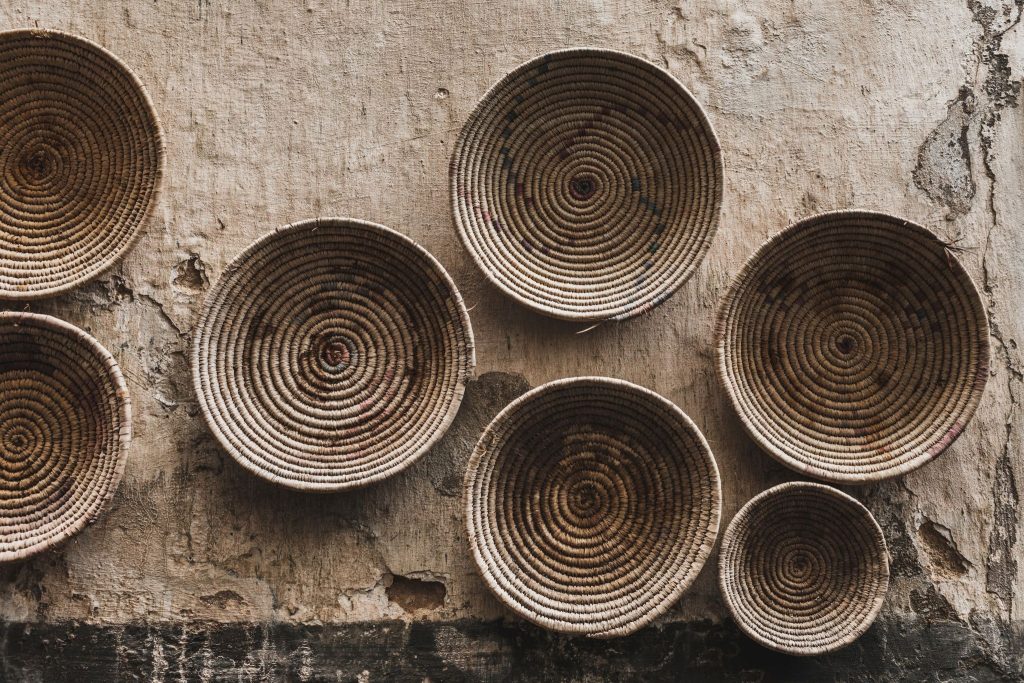
Coiling is an alternative method that offers a unique approach to basket weaving. In this technique, you start by creating a base and then coil the material around it. This method can produce stunning, sculptural shapes. To make a coiled basket, take a long strand of flexible material and create a tight spiral. As you wrap and stitch the coil, you’ll find that this technique allows for great creativity and personalization in your designs.
Creating Your First Basket
Choosing a Simple Basket Design
As a beginner, it’s important to choose a simple basket design for your first project. Start with something manageable, like a small round or square basket. These designs will help you practice your skills without becoming overwhelmed. Look for patterns that use basic techniques like over-under or twining. This will allow you to focus on mastering the fundamentals while creating a beautiful piece.
Step-by-Step Instructions for Making a Basic Basket
To make your first basket, gather your materials and tools. Cut your base strands to the desired length and lay them out in a square or circle. Begin weaving using the over-under technique, securing each row tightly. Continue adding layers until your basket reaches the desired height. Don’t forget to finish off the edges by tucking in loose strands to create a clean look. This process may take time, but with patience, you will see your creation come to life.
Enhancing Your Skills
Experimenting with Patterns
Once you’ve mastered basic techniques, it’s time to experiment with patterns. Patterns can significantly enhance the aesthetics of your baskets. Try combining different weaving techniques, or incorporate color changes to create visual interest. As you gain confidence, don’t be afraid to experiment with more complex designs. This exploration will not only improve your skills but also help you develop your unique style as a weaver.
Incorporating Color and Texture
Adding color and texture to your baskets can elevate your designs. Consider using dyed fibers or mixing different materials to create contrasting effects. You can also experiment with texture by combining smooth and rough materials. This not only makes your basket visually appealing but also adds depth to your work. Embrace the creative process and have fun with color and texture as you continue to develop your skills.
Joining a Basket Weaving Community
Benefits of Finding a Community
Joining a basket-weaving community can greatly enhance your experience. Being part of a group allows you to share your work, ask questions, and gain inspiration from others. Whether you find a local group or an online community, the support and camaraderie can motivate you to keep creating. Learning from others’ experiences and techniques can accelerate your own growth as a weaver.
Online Resources and Classes
In today’s digital age, there are countless online resources available for those interested in basket weaving. Websites, video tutorials, and social media platforms offer a wealth of information. Consider enrolling in an online class that focuses on basket-weaving techniques. These resources can provide guidance and inspiration, helping you refine your skills and explore new ideas. The more knowledge you gain, the more confident you will become in your craft.
Conclusion
Basket weaving is a rewarding and creative endeavor that anyone can enjoy. By mastering the basic techniques, you can create beautiful, functional pieces while expressing your creativity. As you embark on your basket-weaving journey, remember to be patient and allow yourself to experiment. Each basket you create is a step towards honing your skills and discovering your unique style. Embrace the process, connect with others, and enjoy the art of weaving.
Frequently Asked Questions
1. What types of materials are suitable for beginner basket weaving?
For beginner basket weaving, natural materials like reed, willow, and seagrass are ideal. These materials are flexible, easy to manipulate, and readily available at craft stores. Synthetic options like plastic or nylon can also be used, especially for colorful and durable baskets. Starting with simple, forgiving materials helps beginners build confidence and refine their skills before moving on to more complex or specialized fibers.
2. How long does it typically take to create a basket?
The time it takes to create a basket varies based on its complexity and the weaver’s skill level. A simple basket may take anywhere from a few hours to a day, depending on the design and techniques used. More intricate patterns or larger baskets can require several sessions over multiple days. Patience is key, as taking your time allows for better craftsmanship and a more enjoyable weaving experience.
3. Can I learn basket weaving without attending a class?
Absolutely! Many beginners successfully learn basket weaving through online resources, including video tutorials, blogs, and social media platforms. These resources provide step-by-step instructions and visual guidance, making it easier to grasp techniques. Additionally, books on basket weaving can offer valuable insights and patterns. While classes can provide hands-on experience and community support, self-directed learning is a viable option for those who prefer to learn at their own pace.
4. What are some common mistakes beginners make in basket weaving?
Beginners often encounter a few common mistakes in basket weaving, such as not securing the base strands tightly enough or failing to measure materials accurately. Inconsistent tension can lead to uneven baskets, while using dried-out materials may cause breakage. It’s also common to overlook finishing techniques, which can affect the basket’s overall appearance. Learning from these mistakes and practicing consistently will help improve skills and lead to better results over time.
5. How can I enhance my basket-weaving skills as I progress?
To enhance your basket-weaving skills, consider experimenting with different techniques, patterns, and materials. Attending workshops or joining a local weaving group can provide valuable feedback and new ideas. Additionally, challenging yourself with more complex designs and incorporating color and texture can stimulate creativity. Regular practice is essential for improvement, so set aside dedicated time for weaving and don’t hesitate to explore new styles and inspirations.